
In previous blogs, we shared how AI is used in the design process and how it is used by our product engineers. Let’s take a deeper dive into how AI is used in code development and refinement.
Common AI terms
AI is the moment. Here are a few common terms and definitions to ground us in the conversation.
Artificial Intelligence (AI)
IBM provides a clear definition of AI as “technology that enables computers to simulate human learning, problem solving, and decision making” among other experiences.
Machine learning
Merriam-Webster defines machine learning as a method “that enables a computer to learn to perform tasks by analyzing a large dataset without being explicitly programmed.” Merriam-Webster classifies machine learning as a subfield of AI.
Large language models
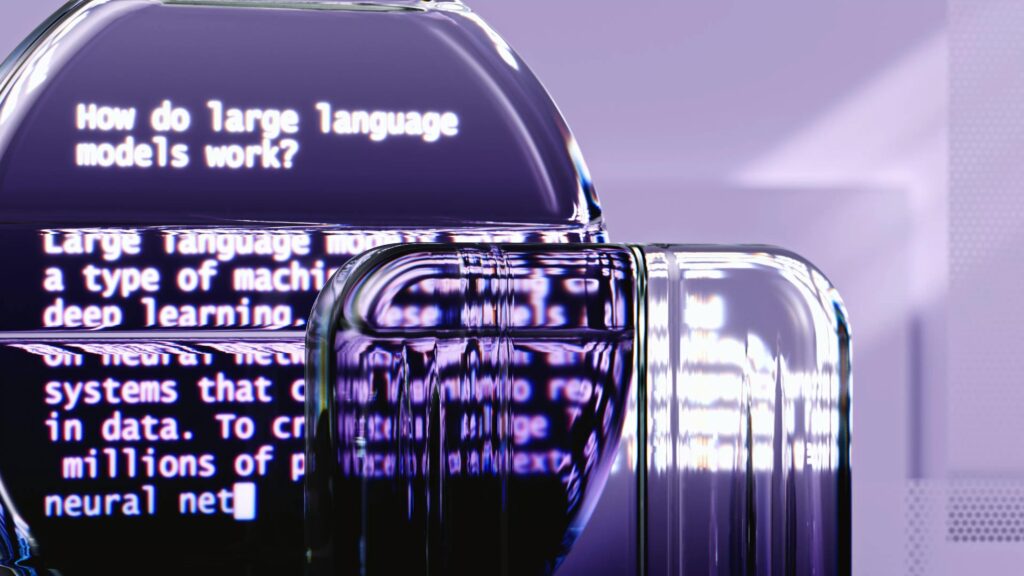
Google takes it a step further with identifying large language models as a type of machine learning. It’s used to “predict and generate plausible language.” So, large language models are a type of machine learning, which is a subset of AI.
Data centers
A data center is the physical location for all the hardware and machines required to run this technology. These spaces are temperature controlled and serve as the host for all cloud activity.
AI in code development
Now that we have a general understanding of these common terms, let’s discuss how to use them in code development. The idea isn’t for AI to do all the work. It’s more to streamline mundane tasks to then allow developers time to focus on more complex or creative projects.
RedCAT Systems engineering has started to adopt these AI code assistant tools. This is proving to be a positive experience, benefitting both the quality and speed in which we can deliver our software solutions to customers. Our General Manager Jeff Mori shares, “The overall goal is to evaluate beneficial AI tooling for each step of our software development process – planning, designing, coding, testing, deploying, and maintaining the applications.”
Room for innovation
Leveraging an AI coding assistant, such as GitHub Copilot and Cursor, makes it easier to give feedback during code reviews and improve output quality. It also gives room for innovation.
Our teams are researching how best to incorporate AI into the next generation of user experiences while shaping the future of our product portfolio. “We are excited more than ever to do our best work with AI by our side,” Mori said.
Stay tuned for July’s blog! We’ll discuss how an AI chatbot compares to the standard internet search engine and how it affects our user interface design.
Keep reading.
All posts
Salary Increase Budget vs. Compensation Strategy
Key Takeaways Effective compensation planning goes beyond establishing an annual salary increase budget. Organizations need a clear strategy for distributing available funds that considers employee contributions, business priorities, and long-term…
2027 Compensation Planning | How to Get Ahead of Your Next Cycle
Compensation management starts with strategy. And for those with compensation cycles starting in January that strategy starts today. An October start date might seem early; however, consider the upcoming holiday…
Get your data house in order: the foundation to a smooth year-end compensation cycle
When it comes to compensation planning, the biggest challenges at year-end often don’t come from budgets or manager decisions—they come from bad data. Incomplete employee records, outdated salary ranges, and…
Bring us your most complex compensation cycle.
Tell us what your current tools can't handle. We'll show you how RedCAT configures to it, and what we'd build for the rest.